The Birchwood
Acacia Estates, Taguig City Condo
Verdant landscapes and wide array of amenities

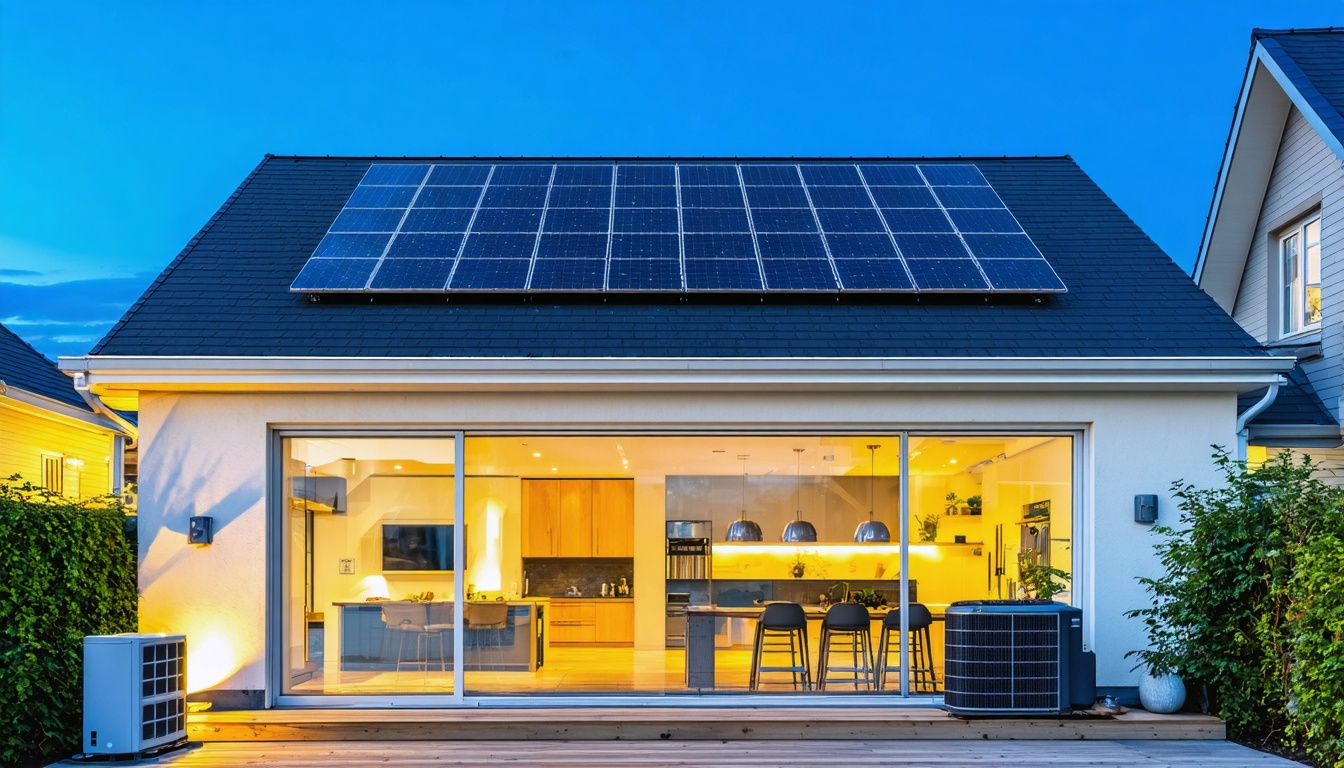
Investing in solar power can be enhanced by improving your home’s energy efficiency. Ensuring that your home envelope effectively retains heat, upgrading to energy-efficient appliances, and optimizing your overall energy system are practical steps to consider. These improvements can lead to reduced energy bills, enhanced indoor comfort, and increased utilization of the energy generated by solar panels. Key areas to focus on include: 1. **Home Insulation**: Effective insulation is crucial for maintaining desired temperatures. Proper insulation can reduce the heating and cooling demands, thereby allowing solar energy to be more effectively utilized. 2. **Energy-Efficient Appliances**: Selecting appliances with high energy efficiency ratings can significantly reduce overall energy consumption. This not only lowers utility bills but also complements the energy produced by solar installations. 3. **Smart Home Technology**: Implementing smart home systems for energy management can optimize energy usage. Smart thermostats and lighting systems can adapt to usage patterns and help minimize energy waste. 4. **Windows and Doors**: Upgrading to energy-efficient windows and properly sealing doors can prevent heat loss and gain, enhancing the overall effectiveness of your home’s energy performance. 5. **Lighting**: Switching to LED lighting is a straightforward measure that can reduce electricity consumption. These improvements ensure that solar power systems operate more efficiently, maximize their output, and contribute to long-term energy savings. The alignment of energy efficiency measures with solar power can result in a well-rounded and effective energy strategy for residential properties.
When integrating solar power into a home, it is important to emphasize the significance of air sealing and insulation. Addressing air leaks and upgrading insulation can enhance the energy efficiency of a residence, which may lead to lower energy costs associated with heating and cooling, regardless of whether the energy source is electricity or natural gas.
Additionally, improved energy efficiency can increase the property’s market value.
Homeowners may also qualify for federal tax credits for specific energy efficiency projects; further details can be obtained from the Internal Revenue Service. In New York, residents can benefit from incentives through the New York State Energy Research and Development Authority (NYSERDA), specifically through its Comfort Home program, and those in Newark can explore localized solar power initiatives by visiting Solar Power in Newark.
Enhanced energy efficiency allows for better performance of solar systems, energy-efficient appliances, and battery storage options. This improvement can contribute to a reduced carbon footprint and potential cost savings.
Moreover, proper air sealing and insulation can lead to better indoor air quality and increased comfort within the home.
Upgrading to energy-efficient windows and doors is a significant consideration for homeowners aiming to improve the efficiency of solar power systems. Proper sealing and insulation of a home can lead to noticeable reductions in heating and cooling costs, as well as lower electricity bills. Moreover, these improvements can contribute to a decrease in the overall carbon footprint.
Inefficient windows and doors can lead to air leaks, a common issue for homeowners, particularly in urban settings like New York. By opting for energy-efficient alternatives, homeowners can address these leaks, which can enhance overall energy efficiency.
In cases where a complete replacement is not financially viable, options such as storm windows or door films may be considered as effective methods to improve energy performance.
Additionally, homeowners should take into account the federal tax credits that are available for energy-efficient upgrades, which can serve as a financial incentive for making these improvements.
For comprehensive information on eligibility and the application process, consulting the Internal Revenue Service's guidelines is recommended.
Integrating solar panels with water and energy conservation strategies can improve a home's overall efficiency. The use of energy-efficient appliances, such as heat pump water heaters, can significantly reduce electricity consumption and enhance indoor air quality. Homeowners in New York, as well as those in other parts of the United States, may benefit from financial incentives, including NYS Clean Heat rebates, which can help offset some of the costs associated with these upgrades.
In addition to appliances, implementing measures such as low-flow fixtures, proper air sealing, and the installation of storm windows and doors can lower utility bills and decrease carbon emissions.
The use of smart thermostats and air source heat pumps can further enhance the efficiency of solar energy systems while promoting environmental sustainability.
For those considering these upgrades, using a savings calculator can provide insights into eligibility for various rebates and financial incentives. This information is valuable for homeowners in evaluating the potential advantages of energy efficiency improvements.
Integrating modern heat pump systems with renewable energy sources can improve the efficiency and sustainability of residential energy usage.
Heat pumps, which include air source and water heating models, leverage renewable energy to deliver effective heating, cooling, and hot water solutions. In New York, the adoption of compliant heat pump appliances has the potential to lower energy costs and may contribute to improved indoor air quality, as well as enhance property valuations.
To further improve the efficacy of heat pump systems, implementing energy efficiency measures is advisable. This can include actions such as air sealing and the installation of storm windows and doors.
Additionally, the integration of battery storage in residential clean energy setups can offer advantages, including more effective energy load management and greater resilience against power interruptions.
For additional information and clarification, interested parties may consult the Frequently Asked Questions section.
To effectively enhance your investment in solar energy and energy-efficient home improvements, it is important to take advantage of both federal and state incentives aimed at reducing upfront costs. In New York, individuals who qualify can benefit from a federal tax credit of up to 30% for expenditures on solar energy systems, battery storage, and select energy-efficient appliances, including heat pump water heaters.
At the state level, homeowners may access various programs, such as the Clean Heat rebate, which are tailored to help reduce electricity costs and lower natural gas usage. Engaging with these incentives can assist in improving the overall return on investments in energy-efficient upgrades.
Moreover, implementing strategies such as air sealing, installation of storm windows, and adding insulation can lead to notable savings by reducing air leaks and enhancing indoor air quality.
For comprehensive details, including commonly asked questions and resources from the Internal Revenue Service, tools like the Residential Clean Energy Credits and Savings Calculator can offer insights into the financial advantages associated with these programs.
Implementing energy efficiency upgrades in your home—such as insulation, efficient windows, smart thermostats, and Energy Star appliances—can lead to reduced energy costs and enhanced effectiveness of solar energy systems. These improvements not only contribute to decreased energy consumption but also enhance overall comfort within the home and can potentially increase the property's market value. In addition, various federal and state programs offer incentives that can reduce the financial burden of these improvements. By considering these upgrades, homeowners can achieve a more sustainable living environment while preparing for future energy demands. Overall, energy efficiency enhancements serve to complement solar power installations effectively.